

How to Choose the Best Bitcoin Casino in Canada in 2026: A Safety and Licensing Guide for Canadian Players

I've spent a good chunk of the last few years poking around the crypto gambling scene here in Canada, and honestly? 2026 feels like a turning point. Bitcoin casinos aren't some niche curiosity for tech-savvy gamblers anymore — they're mainstream enough that friends who couldn't explain a blockchain if you paid them are now texting me asking which platforms are actually safe. The appeal makes sense once you think about it: instant deposits, withdrawals that don't take three business days, lower fees than you'd eat moving money through a bank-linked casino account.
But here's the catch. Crypto gambling still lives in a bit of a gray zone when it comes to regulation, and that means doing your homework matters more than ever — maybe more than most players realize. This guide walks through exactly what I check, and what you should check too, before trusting any platform with your Bitcoin.
What Makes a Bitcoin Casino Different from Traditional Online Casinos
At its core, a Bitcoin casino runs on blockchain rails instead of credit card networks or e-wallets. You connect a crypto wallet, send funds straight to the casino's address, and the transaction gets logged on a public ledger. No bank intermediary. No sitting around waiting for a 'pending' status to clear.
A lot of these platforms also run on provably fair technology, which lets players verify — mathematically, not just on faith — that a game's outcome wasn't manipulated. That's a layer of transparency fiat casinos just don't offer the same way, since there you're trusting a third-party audit rather than checking the math yourself.
Advantages of Using Crypto for Online Gambling
From my own experience timing withdrawals across a dozen platforms, the speed difference is night and day. Bitcoin withdrawals clearing in under an hour, versus fiat withdrawals sitting 'under review' for days. Beyond speed, there's:
- Lower transaction fees compared to card processors or wire transfers
- Greater privacy, since you're not handing over full banking details
- Borderless access, which matters for Canadian players in provinces with inconsistent payment processor support
- Flexibility to use multiple cryptocurrencies beyond just Bitcoin on many platforms
Licensing and Regulation Standards to Look For
This is where I see the most confusion, pretty much every time. Canada doesn't have a single federal gambling regulator covering crypto casinos, so licensing comes from international bodies instead. The usual suspects you'll run into are Curaçao eGaming, the Malta Gaming Authority (MGA), and — closer to home — the Kahnawake Gaming Commission, which operates out of Mohawk Territory in Quebec and has licensed online gambling operators for over two decades now.
Licensing matters because it's your main recourse if something goes wrong. A licensed operator has to keep certain fund-segregation practices in place, submit to periodic audits, and provide a dispute resolution channel. Without that? You're basically trusting a website with zero accountability structure behind it.
Red Flags That Indicate an Unlicensed or Risky Platform
I've learned to spot these warning signs pretty fast at this point:
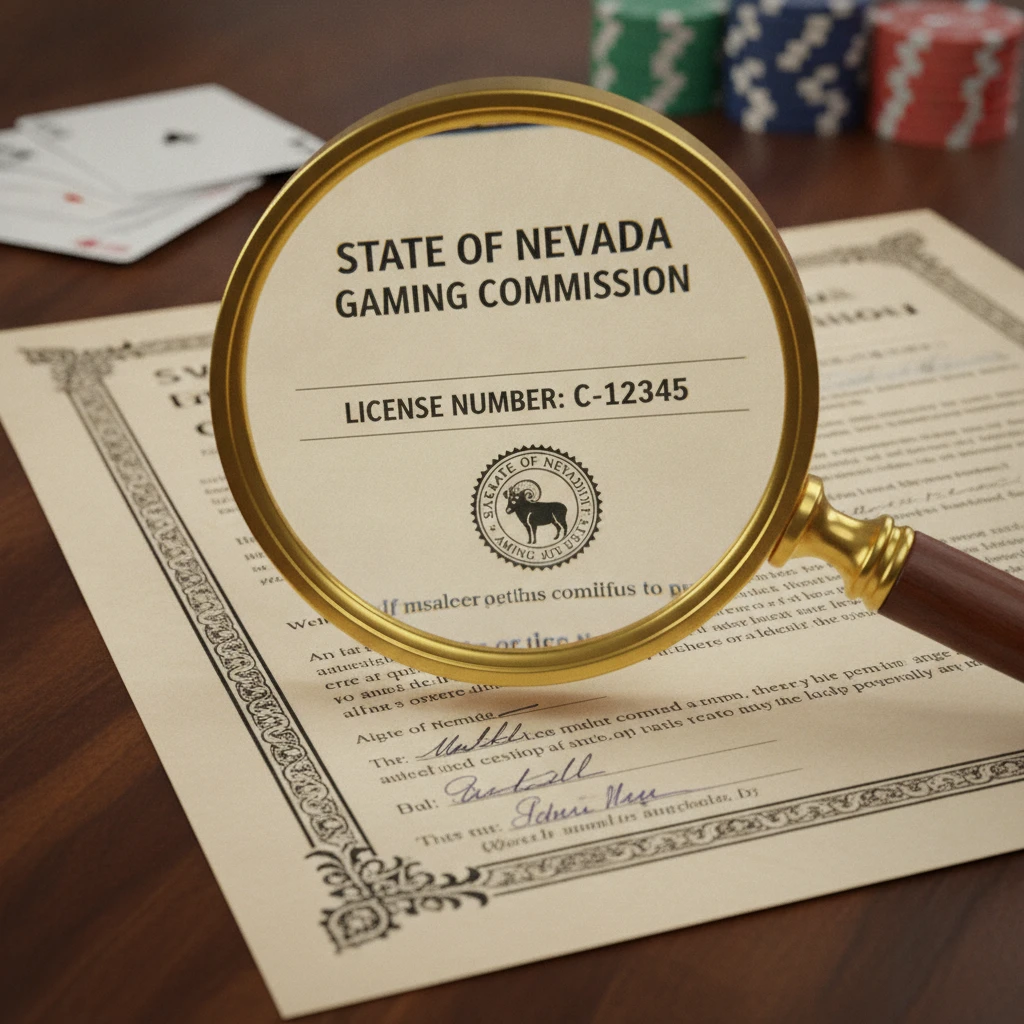
- No license number displayed anywhere on the site, or one that doesn't verify when checked
- Vague or completely hidden ownership information
- No independently audited RNG (random number generator) certificates from firms like iTech Labs or eCOGRA
- A pattern of unresolved complaints on forums like AskGamblers or Trustpilot
Key Safety Features Every Trustworthy Bitcoin Casino Should Have
Beyond licensing, there's a baseline technical standard I expect from any serious platform. SSL encryption on every page handling financial data isn't negotiable — check for the padlock icon, takes two seconds. Two-factor authentication should be offered, ideally required, for withdrawals especially.
Provably fair algorithms are a nice bonus layer of trust on top of that, letting you verify game outcomes on your own instead of taking anyone's word for it. I also pay attention to whether the casino keeps the bulk of its crypto reserves in cold wallets rather than hot wallets exposed to the internet — reduces the risk of a hack draining player funds in one shot. And finally, read the terms of service. If withdrawal conditions or bonus wagering requirements are buried in confusing legal language, that's usually not an accident.
How to Evaluate and Compare Bitcoin Casinos Step-by-Step
Here's roughly the checklist I run through before dropping a single satoshi anywhere:
- Verify the license number directly on the regulator's official website, not just trust the casino's claim
- Search player reviews across multiple independent forums, not just testimonials on the casino's own site
- Check stated withdrawal speeds and daily/weekly limits against real user reports
- Contact customer support with a basic question and time how long it takes to get a real answer
- Read bonus terms carefully for wagering multipliers, game restrictions, and maximum cashout caps
Questions to Ask Before Depositing Funds
A few specific questions I always want answered before committing money: Is the casino's RNG audited by an independent third party? What cryptocurrencies and networks are actually supported for deposits and withdrawals? Are there withdrawal caps tied to bonus funds that could trap my winnings? And is there a clear, published complaints or dispute process if something goes sideways?
Responsible Gambling and Player Protection Resources in Canada
Even after you've found a licensed, technically secure platform, safety isn't just about fraud prevention. It's about protecting yourself from the risks of gambling itself — a different thing entirely. Any best bitcoin casino worth your time should offer deposit limits, self-exclusion tools, and reality check reminders built right into the account settings.
Beyond what the casino provides, Canadian players have access to independent support networks too. Organizations like IPAC-AMAC offer guidance and counselling resources for anyone concerned about their gambling habits, crypto-related or otherwise. I always recommend bookmarking a resource like this alongside your casino research — responsible play and platform safety genuinely go hand in hand, not one or the other.
Common Mistakes Canadian Players Make When Choosing a Bitcoin Casino
I've made a few of these mistakes myself early on, so I get the appeal of cutting corners. But the pattern I see most often includes:
- Skipping the license verification step entirely because the site 'looks professional'
- Chasing massive welcome bonuses without reading the wagering requirements attached
- Ignoring KYC (know-your-customer) verification steps until withdrawal time, then getting blindsided by delays
- Depositing a large sum before testing a small withdrawal to confirm the process actually works smoothly
Conclusion
Choosing a Bitcoin casino in Canada in 2026 really comes down to balancing speed and privacy against genuine due diligence. Confirm the license is real and active. Check for cold storage and audited fairness. Read the fine print on bonuses, and don't skip the responsible gambling tools built into your account — they're there for a reason. Combine that research habit with trusted support resources, and you'll put yourself in a much stronger position to enjoy crypto gambling without the regret that comes from rushing in blind.