

How to Choose the Best Bitcoin Online Casino in Canada: A 2026 Guide to Secure Crypto Gaming

I've been exploring the world of cryptocurrency gambling for years now, and I can tell you that 2026 has brought some incredible changes to how Canadian players approach online casinos. The shift toward Bitcoin and other cryptocurrencies has fundamentally transformed the gambling landscape, offering advantages that traditional payment methods simply can't match. As someone who's navigated both traditional and crypto casinos, I want to share my insights on how you can choose the best Bitcoin online casino while staying safe and maximizing your gaming experience.
What Makes Bitcoin Casinos Different from Traditional Online Casinos
The first time I used Bitcoin to fund my casino account, I was amazed by how different the entire experience felt. Unlike traditional online casinos that rely on credit cards, bank transfers, or e-wallets like PayPal, Bitcoin casinos operate on blockchain technology. This fundamental difference creates a ripple effect across every aspect of the gambling experience.
Transaction speed is where I first noticed the advantage. While my bank transfers used to take three to five business days to process withdrawals, Bitcoin transactions typically clear within 10 to 30 minutes. There's no waiting around for business hours or dealing with weekend delays—the blockchain operates 24/7, which means your winnings can be in your wallet at 2 AM on a Sunday if that's when you cash out.
Anonymity is another game-changer. Traditional casinos require extensive documentation—driver's licenses, utility bills, bank statements. With Bitcoin casinos, I've found that many platforms require minimal personal information. You're identified by your wallet address rather than your banking details, which adds a layer of privacy that many Canadian players appreciate in 2026.
The blockchain itself provides transparency that traditional casinos can't offer. Every transaction is recorded on a public ledger, and many Bitcoin casinos use 'provably fair' technology that allows you to verify the randomness of game outcomes. I've personally checked game results using cryptographic hashing, and that level of transparency builds trust in ways traditional casinos struggle to match.
Key Factors to Consider When Choosing a Bitcoin Casino in Canada
When I evaluate a Bitcoin casino, I start with a checklist of non-negotiable factors. The crypto gambling space has matured significantly, but there are still platforms that cut corners or operate without proper oversight. Here's what I look for every single time.
First and foremost is licensing and regulation. Just because a casino accepts Bitcoin doesn't mean it operates in a legal gray area. Reputable platforms hold licenses from established jurisdictions like Curaçao, Malta, or Kahnawake. I always verify these licenses directly through the regulator's website rather than trusting what's displayed on the casino site itself.
Platform reputation matters enormously. I spend time reading player reviews on independent forums, checking complaint histories, and seeing how the casino responds to issues. A quality bitcoin online casino will have transparent policies, responsive customer support, and a track record of paying winners promptly without creating arbitrary obstacles.
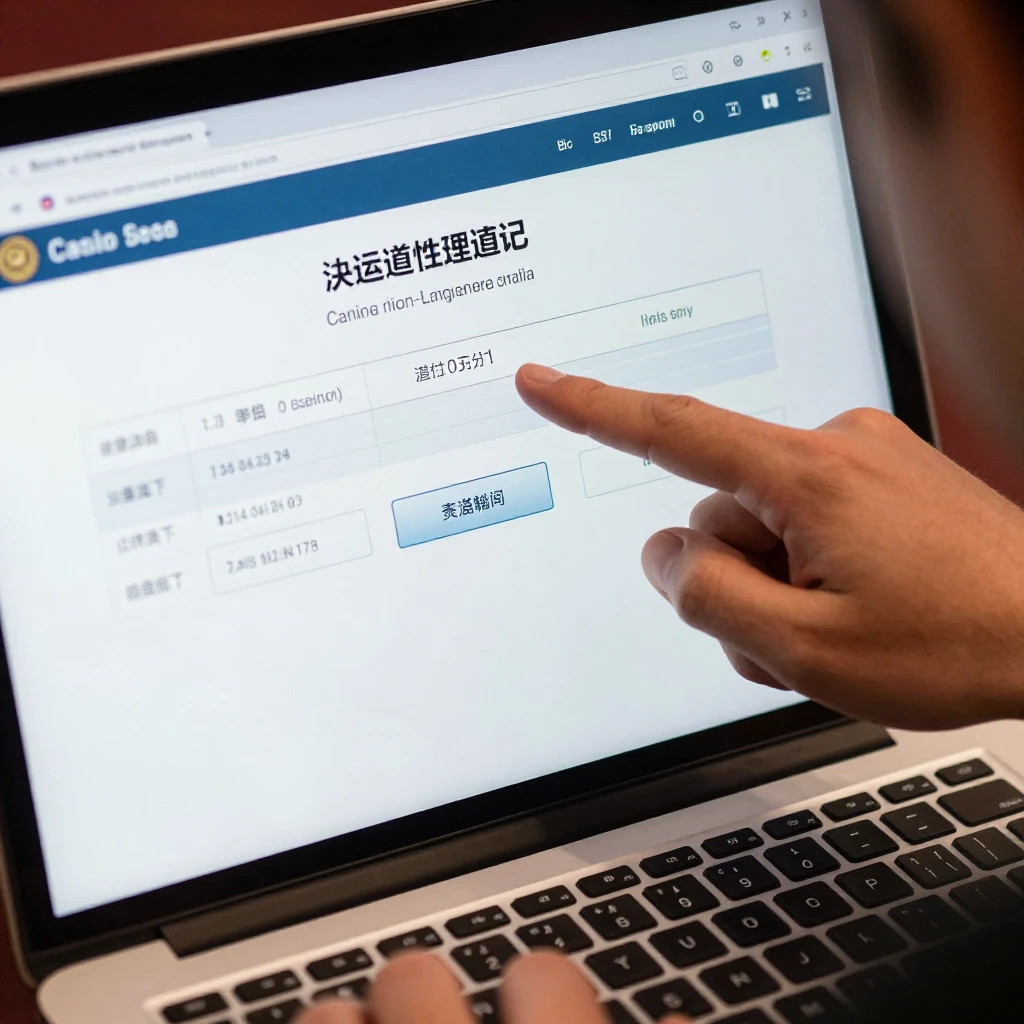
Game variety tells me a lot about a casino's commitment to quality. I'm not just looking for quantity—hundreds of generic slots don't impress me. Instead, I evaluate whether they offer games from reputable software providers, whether they have live dealer options, and if their library is regularly updated with new releases. The best Bitcoin casinos partner with industry leaders who have adapted their games for cryptocurrency play.
Licensing and Security Verification
Let me walk you through my verification process, because this is where many players skip important steps. When I land on a Bitcoin casino's homepage, I scroll to the footer and look for licensing badges. These should be clickable and link to the actual regulator's verification page. I've encountered fake badges that are just images—that's an immediate red flag.
SSL encryption is standard in 2026, but I still verify it. That little padlock icon in your browser's address bar should show a valid certificate. I click on it to check that it's current and issued to the correct domain. This protects your data during transmission, even though Bitcoin transactions themselves are already secured by blockchain technology.
Provably fair technology is something I actively look for in crypto casinos. This system uses cryptographic algorithms that allow you to independently verify that game outcomes aren't manipulated. Before I play, I check if the casino provides the tools to verify fairness—seed generators, hash validators, and clear explanations of their fairness system. It's a level of transparency that gives me confidence traditional casinos can't provide.
Two-factor authentication should be available for account security. I've made it a personal rule never to play at a Bitcoin casino that doesn't offer 2FA. Given that cryptocurrency transactions are irreversible, protecting your account access is critical. I use authenticator apps rather than SMS-based codes, which are more vulnerable to interception.
Game Selection and Software Quality
I've played at casinos with 5,000 games and casinos with 500 games, and I can tell you that quality trumps quantity every time. What matters is whether the games come from established software providers who have proven track records. In 2026, the top crypto-friendly providers include Pragmatic Play, Evolution Gaming, NetEnt, and Microgaming.
Slot variety is usually extensive, but I pay attention to features like RTP (Return to Player) percentages. Reputable casinos display this information transparently. I typically look for slots with RTP above 96%, though I understand that house edge is part of gambling. The difference is that transparent casinos let me make informed choices.
Table games are where I spend most of my time—blackjack, roulette, baccarat, and poker variants. Bitcoin casinos should offer multiple versions of these classics, including different rule sets and betting limits. I appreciate when platforms include both standard RNG versions and live dealer options, giving me flexibility depending on my mood.
Live dealer games have become increasingly popular, and the best Bitcoin casinos stream high-quality video from professional studios. I've played live blackjack where I could see every card shuffle and every roulette spin in real-time, with dealers who interact through chat. Evolution Gaming has particularly impressed me with their crypto-compatible live casino offerings in 2026.
Mobile compatibility is non-negotiable for me. I don't want to download a separate app—I want the casino to work seamlessly in my mobile browser. The best platforms use responsive design that adapts to my phone's screen, maintaining full functionality for deposits, withdrawals, and gameplay without compromising the experience.
Bitcoin Transaction Advantages for Canadian Players
As a Canadian player, I've experienced firsthand the frustrations of traditional banking methods for online gambling. Some banks have policies against processing gambling transactions, credit card companies charge cash advance fees, and international transfers come with currency conversion costs. Bitcoin elegantly sidesteps these obstacles.
The speed advantage cannot be overstated. I remember waiting almost a week for a wire transfer withdrawal from a traditional casino, only to have it held up by my bank's fraud detection. With Bitcoin, I've received withdrawals in under an hour on numerous occasions. The blockchain doesn't take holidays, doesn't have business hours, and doesn't care that I'm in Canada while the casino operates from Malta.
Transaction fees are minimal compared to traditional methods. When I withdraw via bank transfer, I might pay $25-$50 in processing fees. Bitcoin network fees fluctuate based on congestion, but I've paid as little as a few dollars for transactions. Some casinos even cover the network fees for player withdrawals, making it essentially free to cash out your winnings.
Privacy is particularly valuable given Canada's complex relationship with online gambling. While it's not illegal for Canadians to play at offshore casinos, many of us prefer to keep our gambling activities private. Bitcoin provides that privacy without requiring anonymous bank accounts or shady payment processors. My bank statements don't show gambling transactions—they show cryptocurrency purchases, which I might be using for any number of legitimate purposes.
Currency advantages benefit Canadian players significantly. When I play at a casino that operates in USD or EUR, traditional payment methods involve currency conversion at unfavorable rates, plus conversion fees. Bitcoin is borderless—there's no conversion required. The value fluctuates against the Canadian dollar, of course, but I'm not paying someone else's markup on the exchange rate.
Deposit and Withdrawal Speed Comparison
Let me give you concrete examples from my own experience playing from Ontario. When I used my credit card at traditional online casinos, deposits were instant, which was great. But withdrawals? I'd submit a request, wait 24-48 hours for approval, then wait another 3-5 business days for the money to appear in my account. Total time: up to a week.
E-wallets like Skrill improved that timeline. Deposits remained instant, and withdrawals usually processed within 24 hours. That's definitely better, but it still meant waiting a full day, and I had to maintain a separate e-wallet account with its own verification requirements and fees.
Bitcoin changed everything for me. Deposits take 10-30 minutes depending on network congestion and how many confirmations the casino requires. Most casinos need 3 confirmations before crediting your account, which typically takes about 30 minutes. Some casinos credit your account after just 1 confirmation, getting you playing in 10 minutes.
Withdrawals are where Bitcoin truly shines. Once the casino approves your withdrawal—which at reputable platforms happens within a few hours—the Bitcoin transaction processes at the same speed as deposits. I've had the entire process, from clicking 'withdraw' to seeing funds in my wallet, complete in under two hours. Compare that to a week with traditional banking, and you'll understand why I've switched to Bitcoin for all my online gambling.
Bank transfers are the slowest option I've used. Beyond the 3-5 day processing time, international transfers can get held up by intermediary banks, flagged for additional verification, or rejected entirely. I've had transfers delayed by over two weeks due to banking complications. Bitcoin eliminates all these intermediaries—it's peer-to-peer technology that moves value directly from the casino to my wallet.
Bonus Structures and Promotions at Bitcoin Casinos
I've noticed that Bitcoin casinos often offer more generous bonuses than their traditional counterparts, and I've developed theories about why. Lower transaction costs mean casinos can afford bigger bonuses. The absence of payment processor fees—which can take 3-5% of every deposit at traditional casinos—allows crypto platforms to pass those savings to players through enhanced promotions.
Welcome bonuses at Bitcoin casinos typically range from 100% to 200% of your first deposit, sometimes going as high as 300% or 400% for special promotions. I've claimed welcome packages worth several Bitcoin over the years. However, I always read the terms carefully because the bonus percentage is only part of the equation.
Wagering requirements are the critical factor that determines whether a bonus is actually valuable. I've seen bonuses with 60x wagering requirements—meaning you'd need to bet 60 times the bonus amount before you can withdraw any winnings. That's often unrealistic. I look for bonuses with 30x to 40x wagering requirements as a reasonable middle ground. Some Bitcoin casinos offer 'wager-free' bonuses, which are rare gems worth seeking out.
Reload bonuses keep existing players engaged, and I've taken advantage of these regularly. These are typically smaller than welcome bonuses—maybe 50% or 75%—but they're available weekly or monthly. Smart Bitcoin casinos reward loyalty, and I've stuck with platforms that consistently offer fair reload promotions rather than chasing massive one-time bonuses elsewhere.
Loyalty programs at crypto casinos often operate on points systems where your wagering earns redeemable points. I've reached VIP tiers that provide cashback on losses, faster withdrawals, personal account managers, and exclusive bonuses. The best programs are transparent about how points are earned and what they're worth—I avoid programs with convoluted conversion rates that obscure the actual value.
Cashback bonuses are particularly common at Bitcoin casinos, and I appreciate their simplicity. Rather than complex bonus structures, you receive a percentage of your losses back—typically 5% to 20%. This cashback often comes with low or no wagering requirements, making it more valuable than traditional bonuses in many cases.
Security Best Practices for Canadian Crypto Gamblers
I learned my security lessons the hard way, and I want to save you from making the same mistakes. Cryptocurrency's irreversibility means that errors and security breaches can't be undone by calling your bank. You are your own bank with Bitcoin, which means you're also responsible for your own security.
Hardware wallets are my preferred storage solution for significant Bitcoin holdings. I don't keep large amounts in online casino accounts or even in software wallets on my computer. Devices like Ledger or Trezor store your private keys offline, making them immune to online hacking attempts. I transfer Bitcoin to my hardware wallet after withdrawing from casinos, keeping only my gambling bankroll in hot wallets.
Two-factor authentication should be enabled everywhere—on your casino account, your email, and your cryptocurrency exchange accounts. I use authenticator apps rather than SMS because SIM-swapping attacks have become more sophisticated. That extra 30 seconds to log in has protected my accounts from multiple unauthorized access attempts over the years.
Private key security is fundamental. I've never stored private keys or seed phrases digitally—no photos, no cloud storage, no password managers. I write them on paper, make duplicate copies, and store them in separate secure physical locations. If someone gains access to your private keys, they own your Bitcoin. It's that simple and that serious.
Phishing attempts targeting crypto users have become increasingly sophisticated in 2026. I've received emails that looked exactly like legitimate casino communications, complete with proper logos and formatting. My rule is simple: I never click links in emails. Instead, I manually type the casino's URL into my browser or use bookmarks. I've avoided multiple phishing attempts this way.
Public WiFi is something I avoid for any cryptocurrency-related activities. Even with SSL encryption, public networks introduce risks I'm not willing to take. I either use my home network or my phone's data connection when accessing casino accounts or making Bitcoin transactions.
Regular security audits of my accounts help me catch issues early. I review my transaction history weekly, check for unauthorized login attempts, and verify that my security settings haven't been changed. The few minutes this takes has given me peace of mind and caught one instance where someone attempted to access my account.
Responsible Gambling with Cryptocurrency
The anonymity and ease of Bitcoin transactions create unique challenges for responsible gambling. When I used traditional payment methods, my bank statement served as a reality check on my gambling spending. With Bitcoin, that external accountability disappears unless you create it yourself.
I set strict deposit limits for myself before I started gambling with cryptocurrency. I decide monthly how much I can afford to lose—and it's always money I can afford to lose entirely—and I stick to that limit. I use separate wallets for gambling, containing only my allocated bankroll, so I'm never tempted to deposit more in the heat of the moment.
Self-exclusion options are available at reputable Bitcoin casinos, and I've used them during periods when I felt my gambling was becoming problematic. Quality platforms allow you to temporarily or permanently exclude yourself from their services. This feature is just as important in crypto casinos as in traditional ones, and its presence indicates a casino that takes player welfare seriously.
Time limits are another tool I employ. It's easy to lose track of time when gambling online, and Bitcoin's 24/7 availability means there's never a forced break. I set alarms on my phone to remind me when I've been playing for a predetermined amount of time, helping me step back and evaluate whether I'm still playing for entertainment.
Tracking my gambling activity manually has been invaluable. I maintain a simple spreadsheet noting deposits, withdrawals, time spent playing, and my emotional state. This record has helped me identify patterns—like noticing I make poor decisions when stressed or that I chase losses after big wins. Awareness is the first step toward control.
Red Flags to Avoid When Selecting a Bitcoin Casino
I've encountered my share of questionable platforms, and I want to help you recognize warning signs before you deposit your hard-earned Bitcoin. The crypto gambling space has matured, but scams still exist, and they're often sophisticated enough to fool casual observers.
Unclear or absent licensing information is the biggest red flag. If I can't easily find and verify a casino's gambling license, I don't play there. Period. Legitimate casinos display their licensing prominently and provide license numbers you can verify with the regulator. If this information is hidden, vague, or unverifiable, assume the worst and move on.
Withdrawal complaints are something I research extensively before joining any casino. I search for the casino's name plus 'withdrawal problem' or 'won't pay' in Google and check independent gambling forums. One or two complaints might be disgruntled players, but patterns of withheld withdrawals indicate serious problems. I've avoided several scam casinos by doing this research upfront.
Non-responsive customer support is another warning sign. Before depositing, I test customer support with basic questions. Do they respond? How long does it take? Are the answers helpful? I've contacted support asking about license verification and withdrawal times. Casinos that don't respond or provide evasive answers don't get my business.
Unrealistic bonus offers should make you suspicious. I've seen promotions advertising 1000% bonuses or 'guaranteed wins,' which are obvious scams. No legitimate casino can guarantee you'll win, and excessive bonuses usually come with impossible wagering requirements designed to ensure you never withdraw. If an offer seems too good to be true, it definitely is.
Absent or stolen game content is something I've noticed at fraudulent casinos. They'll display games from major providers like NetEnt or Microgaming, but when you play, the games don't match the legitimate versions. Real casinos have licensing agreements with software providers and display this information. Fake casinos steal game interfaces but often alter the RTP to increase house edge.
Fake reviews flood certain casinos, and I've learned to spot them. If every review is five stars with generic praise and no specific details, I'm skeptical. I look for detailed reviews on independent platforms, not testimonials on the casino's own site. Real player experiences include both positives and negatives with specific examples.
Pressure tactics are used by disreputable casinos to rush your decision. Limited-time offers that expire in hours, aggressive pop-ups, or customer service pushing you to deposit larger amounts are all red flags. Legitimate casinos want you to make informed decisions and don't pressure players.
The Future of Bitcoin Gambling in Canada (2026 and Beyond)
Looking ahead from 2026, I'm excited about several technological developments that will enhance crypto gambling. The Lightning Network, Bitcoin's layer-2 scaling solution, is being integrated by forward-thinking casinos. This technology enables instant, near-zero-fee transactions, which will eliminate even the 10-30 minute wait times we currently experience.
I've already tested Lightning-enabled casinos, and the experience is remarkable. Deposits and withdrawals are literally instantaneous. You click deposit, scan a QR code, and your casino balance updates in seconds. The same applies to withdrawals—you're playing with winnings in your wallet moments after requesting payout. This is the future of crypto gambling, and I expect widespread adoption over the next few years.
Multi-cryptocurrency support is becoming standard. While Bitcoin remains dominant, I've noticed casinos adding Ethereum, Litecoin, Bitcoin Cash, and even stablecoins like USDT. This diversification gives players options based on their preferences—Litecoin for speed, Ethereum for smart contract functionality, or stablecoins to avoid price volatility.
Regulatory developments in Canada remain uncertain but are moving toward greater clarity. Provincial governments are increasingly interested in regulating and taxing online gambling, including cryptocurrency platforms. While this might mean more compliance requirements for casinos, it could also provide stronger player protections and legitimize crypto gambling in the eyes of mainstream Canadian players.
Smart contract-based casinos represent the next evolution, using blockchain technology not just for payments but for game logic itself. I've experimented with decentralized gambling platforms where smart contracts ensure fairness, eliminate the need for trust, and automatically execute payouts. These platforms are still in early stages, but they embody the original promise of cryptocurrency: trustless, transparent systems.
Virtual reality integration with crypto casinos is something I'm watching closely. Several platforms are developing VR casino environments where you can walk through a virtual casino floor, sit at virtual tables, and interact with other players—all while transacting in Bitcoin. The technology isn't mainstream yet, but the convergence of VR and crypto gambling feels inevitable.
The crypto gambling landscape in Canada continues maturing, and I'm optimistic about where it's headed. As someone who's witnessed the evolution from sketchy, unregulated platforms to the sophisticated, secure casinos we have access to in 2026, I can say that this is an exciting time to be a Canadian crypto gambler. The key is staying informed, prioritizing security, and choosing your platforms carefully. The future is bright, but only if we play smart.